
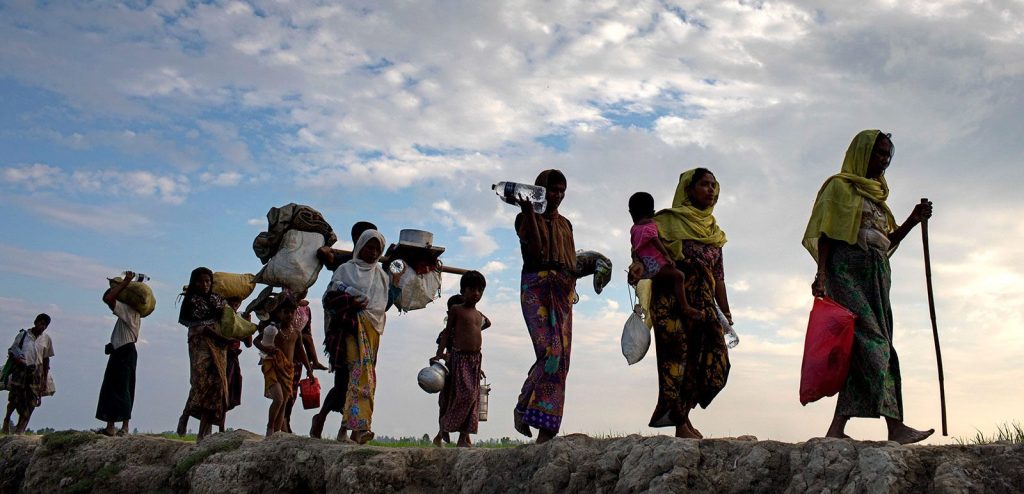
As we conclude the “Humanitarian Crises in 2024: A Dive into Global Emergencies” series, we turn our attention to the ongoing crises in Myanmar, Haiti, Niger, Burkina Faso, and Venezuela. These countries still face numerous challenges, from economic collapse and political turmoil to violence and natural disasters. Each crisis reflects not only the immediate needs of millions but also the structural issues that exacerbate suffering and hinder aid efforts. Part 3 provides a closer look at these humanitarian emergencies, highlighting the critical areas of need, key challenges, and the pressing call for international action. In a year marked by escalating global instability, understanding these crises is essential for fostering compassion and catalyzing support.
11- Myanmar:
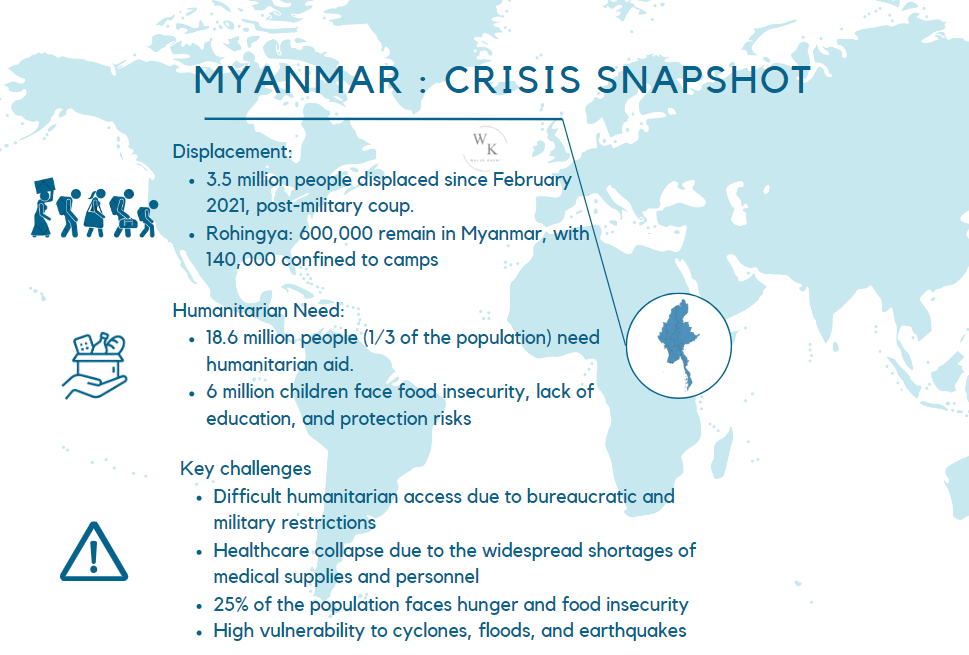
The 2021 military coup in Myanmar led to widespread conflict, displacement, and human rights abuses. The military government’s grip has escalated violence and economic hardship, with civilian lives marked by frequent military attacks and widespread fear. Today, approximately 3.5 million people are internally displaced in the country, 90% of whom were uprooted after the coup. The instability has impacted essential services; the healthcare infrastructure, for example, is on the brink of collapse, and nearly a quarter of the population is facing hunger due to food insecurity and inflation. Just like the other countries we have seen so far, children remain among the most vulnerable segments of the country, with limited access to healthcare and education, coupled with the constant threat of forced recruitment and exposure to landmines.
The plight of Myanmar’s Rohingya population remains particularly acute. Following years of persecution, around 600,000 Rohingya remain in Rakhine State, with more than 140,000 confined to camps under strict movement restrictions. Many lack citizenship and access to basic resources, making them reliant on aid in an environment where humanitarian access is limited. International organizations, including the EU, have funded essential needs like food, shelter, and medical care. However, the repressive environment and bureaucratic barriers imposed by the military limit aid effectiveness. Myanmar’s vulnerability to natural disasters, such as cyclones and floods, exacerbates these challenges, making it one of the world’s most urgent and complex humanitarian crises.
12- Haiti:
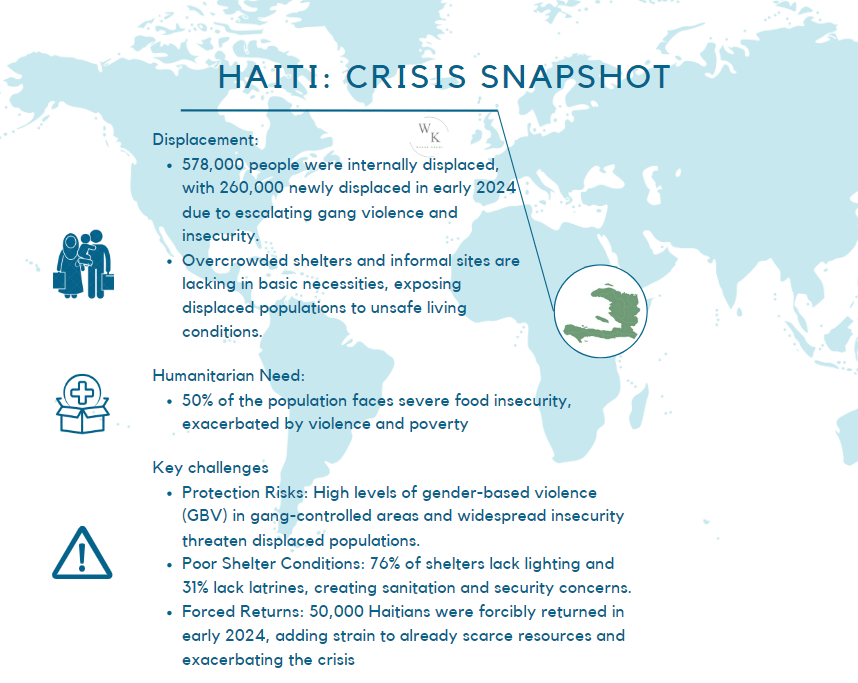
Haiti, on the other hand, has an alarming increase in gang violence and severe food insecurity. Over 578,000 people are now internally displaced, with thousands forced to flee from areas under gang control in the capital, Port-au-Prince, and surrounding regions. This number has more than doubled since 2022, with 260,000 people displaced in the first five months of 2024 alone. Those who remain in gang-affected areas face grave protection risks, including gender-based violence and lack of basic services. Displaced individuals primarily seek shelter with host families, though many are crowded into makeshift sites where 76% lack adequate lighting and 31% have no latrines, creating significant sanitation challenges.
The country’s food insecurity is another critical concern, with nearly half the population struggling to access enough food. Ongoing violence has disrupted essential services, worsening poverty and limiting access to healthcare, clean water, and sanitation. Additionally, despite a UN advisory urging countries to halt forced returns of Haitians, almost 50,000 Haitians were deported back to Haiti in the second quarter of 2024, further straining resources. UN agencies and NGOs, including UNHCR and OCHA, are working to strengthen protection systems, provide emergency aid, and address statelessness and GBV. However, funding remains a significant obstacle, with a $2.12 million funding gap in UNHCR’s budget for Haiti.
13- Niger:
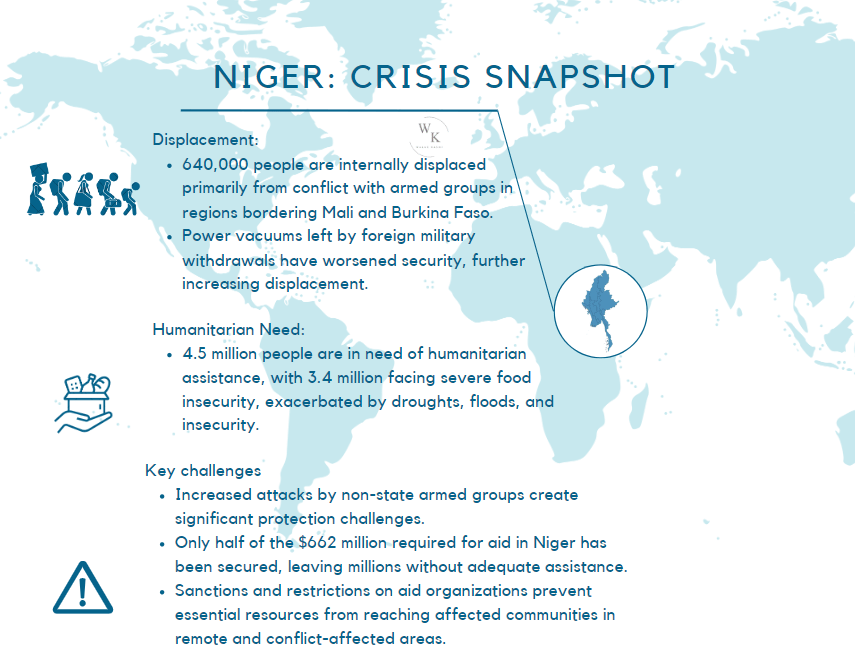
Moving to Niger, where the political upheaval following the July 2023 coup has exacerbated existing vulnerabilities, leaving over 4.5 million people in need of humanitarian assistance. This includes 3.4 million people facing severe food shortages, driven by climate shocks like droughts and floods, combined with rising insecurity. As a result, Niger has been highlighted on the 2024 Emergency Watchlist as one of the most at-risk countries for a worsening crisis.
Displacement also continues to rise, with more than 640,000 people internally displaced due to violence, particularly in regions bordering Mali and Burkina Faso, where attacks by armed groups have intensified. Following the withdrawal of foreign military forces, non-state groups have exploited power vacuums, increasing threats to civilians and creating major protection challenges. Additionally, economic sanctions and cuts in international aid due to the coup have strained Niger’s budget, leaving essential public services struggling to cope and complicating efforts to deliver aid to those in remote and conflict-ridden areas.
14- Burkina Faso:
In Burkina Faso, we are still seeing escalating violence, widespread displacement, and severe food insecurity. Since the 2022 coup, non-state armed groups have taken control of nearly half of the country, effectively blockading cities and towns across 46 locations and affecting over 1 million people. These blockades have cut off access to essential services and basic supplies, which has exacerbated food shortages and impacted livelihoods, particularly in areas outside the central government’s reach. Due to this insecurity, over 2 million people are internally displaced, making Burkina Faso one of the fastest-growing displacement crises in the world. The violence and blockades also prevent many humanitarian agencies from reaching those in need.
Food security is a major challenge in the country, with 2.7 million people facing crisis levels of food insecurity (IPC Phase 3 or above), a situation worsened by recent poor harvests and limited access to markets. The crisis has also severely impacted public services, with over 6,000 schools closed, leaving 1 million children without access to education. Healthcare services are equally strained, with hundreds of health facilities shut down, leaving 4 million people without access to medical care.

15- Venezuela:
The last country on our list is Venezuela, where the humanitarian crisis remains severe. The instability in the country has led to widespread displacement and critical shortages of basic resources. Following the July 2023 elections, Venezuela plunged into a political-constitutional crisis, intensifying internal challenges and prompting more people to leave. Seven million people in Venezuela now need humanitarian assistance, with UNHCR reporting that 2.7 million of these individuals are classified as highly vulnerable. Border crossings with Colombia and Brazil have seen substantial movement, with approximately seven exits for every three returns in the region near Colombia, as many Venezuelans continue to seek better healthcare, economic opportunities, and essential supplies.
Despite a modest 3.5% GDP growth in 2023, inflation has eroded the purchasing power of many Venezuelans, impacting food security and driving social discontent. UNHCR and its partners are working to provide immediate support, such as shelter, food, and protection services, focusing on vulnerable populations like women, children, and indigenous communities. Meanwhile, over 4 million Venezuelans have fled to neighboring countries since the crisis began, forming one of the largest displacement situations in the world. Limited international funding further strains relief efforts, with UNHCR reporting only 16% of the requested $64.2 million for 2024, underscoring the need for more robust international support.
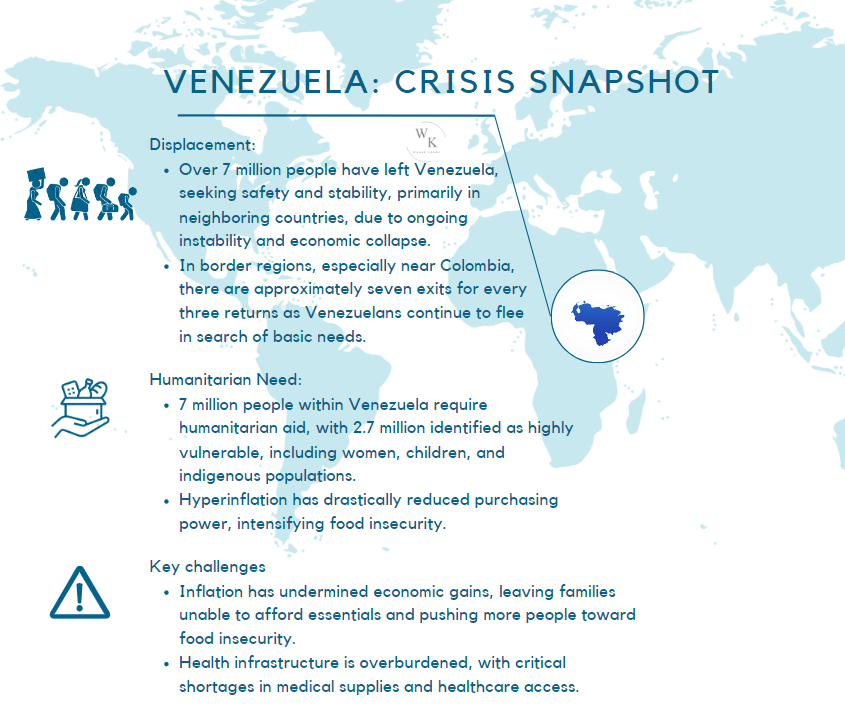
Note: Walae Kasmi created the crisis snapshots in this blog, drawing fromcredible resources such as UNHCR, IOM, the Migration Data Portal, IRC, ReliefWeb, and reports from various UN agencies to bring you reliable data that illustrates the depth of the humanitarian challenges discussed.
The humanitarian crises facing Myanmar, Haiti, Niger, Burkina Faso, and Venezuela underscore the devastating impact of prolonged instability and limited resources. These emergencies, from widespread displacement and hunger to the erosion of healthcare and educational systems, reveal a pressing need for coordinated international action. Without increased funding, policy changes, and strengthened humanitarian efforts, millions of lives remain at risk.
This blog series has aimed to provide a comprehensive overview of the world’s most urgent crises in 2024, advocating for a compassionate and proactive response to these global emergencies.
Addressing the root causes of each crisis is essential not only for immediate relief but for building resilience in the long term, ensuring that vulnerable communities can eventually recover and thrive.
For more information about Myanmar, check:
https://data.unhcr.org/en/situations/myanmar
https://www.unocha.org/myanmar
For more information about Haiti, check:
https://www.unfpa.org/resources/haiti-situation-report-4-05-june-2024
https://www.hrw.org/world-report/2024/country-chapters/haiti
For more information about Niger, check:
https://www.hrw.org/world-report/2024/country-chapters/niger
https://www.rescue.org/article/crisis-niger-what-you-need-know-and-how-help
For more information about Burkina Faso, check:
https://www.rescue.org/article/crisis-burkina-faso-what-you-need-know-and-how-you-can-help
https://data.unhcr.org/en/country/bfa
For more information about Venezuela, check:
https://www.hrw.org/world-report/2024/country-chapters/venezuela


 Your Global Compass
Leave a comment