
Migration and Security in the EU: Reframing the Balance Between State Security and Human Security
Migration within the European Union has become a critical policy issue, often framed as a security threat rather than a humanitarian concern. This article critically examines the EU’s migration policies, highlighting their emphasis on border control and deterrence over the well-being of migrants. It critiques the current security-focused approach, exposing migrants to human rights violations, as seen in agreements with Morocco, Libya, and Turkey. Through case studies of Spain’s enclaves, the Canary Islands, and the Central Mediterranean route, the article advocates for a human-centered migration framework that aligns with the EU’s humanitarian obligations.
Read the Article here
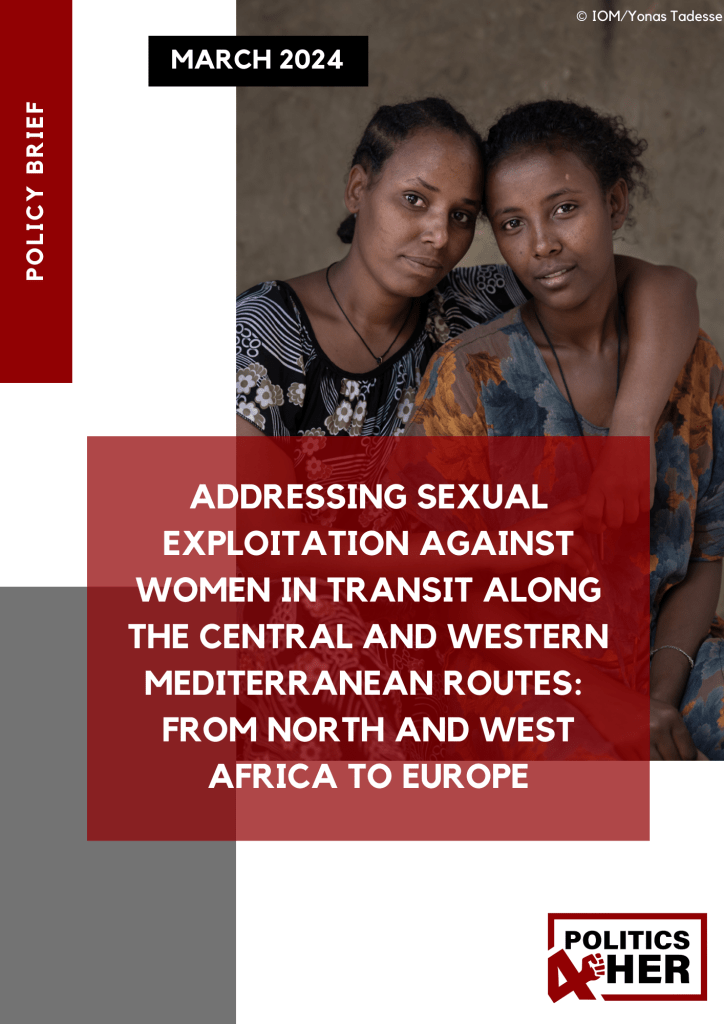
Addressing Sexual Exploitation Against Women in Transit Along the Central and Western Mediterranean Routes: From North and West Africa to Europe
Sexual exploitation against women in transit along the Central and Western Mediterranean routes poses a grave humanitarian concern, demanding urgent attention from international organizations, national governments, and regional bodies. This policy brief examines the multifaceted challenges faced by migrant women and girls, ranging from legal and institutional gaps to cultural barriers, exacerbating their vulnerability to sexual violence and exploitation during their transit.
The brief offers actionable recommendations to enhance protection mechanisms, strengthen legal frameworks, and promote gender-sensitive approaches to migration policy. It underscores the imperative for concerted action to safeguard the rights and dignity of migrant women and girls along migration routes.
Read the brief here

Understanding the Intersection of Gender and Climate Justice in the SWANA Region:
The South West Asia and North Africa (SWANA) region, encompassing countries such as Morocco, Tunisia, and Sudan, is confronted with multifaceted challenges arising from climate change and gender inequality. These challenges necessitate a comprehensive policy response that recognizes and addresses the intersection of climate justice and gender equality.
This policy report focuses on the often-overlooked relationship between climate crisis and gender injustice, emphasizing the particular context of climate change in Sudan, Tunisia, and Morocco. It seeks to identify the implications of the climate crisis on gender-specific policies, such as Sexual and Reproductive Health and Rights (SRHR), Sexual and Gender-Based Violence (SGBV), early, forced, and child marriage, as well as the marginalization of sexual and gender minorities.
Read the report here

Addressing Cervical Cancer and HPV Vaccination Disparities in Underserved Communities of Kenya
Kenya, located in the East African region, grapples with numerous challenges within its healthcare sector. The accessibility and availability of sexual and reproductive healthcare services, particularly in underserved areas, remain areas in urgent need of development and improvement.
This policy report is dedicated to shedding light on the extent of accessibility of HPV vaccination in rural Kenya, providing information on cervical cancer, and spotlighting the struggles of women and young girls residing in marginalized regions of Kenya regarding the dissemination of healthcare services. It aims to identify the factors contributing to the low uptake of HPV vaccination among women, girls, and even boys in rural Kenya, as well as to assess people’s knowledge and perceptions regarding the vaccine and cervical cancer.
Read the full brief here.
Contributions
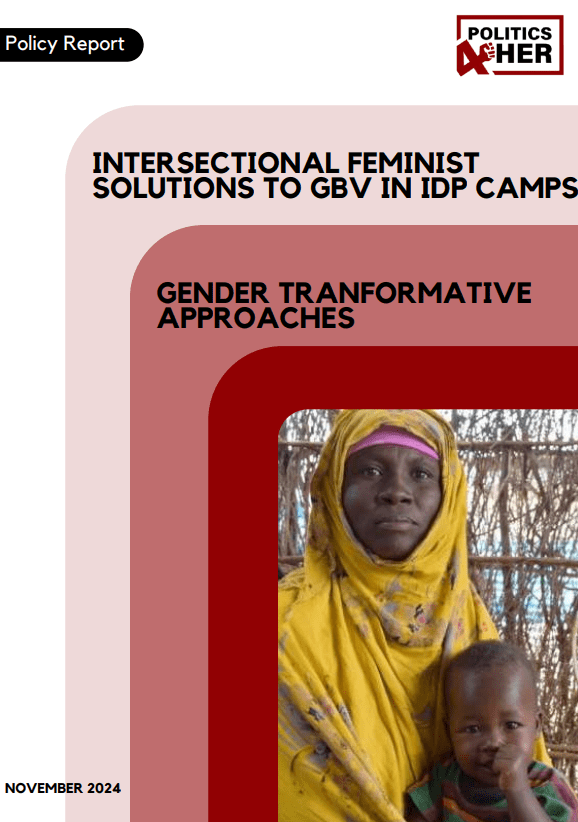
Preventing Gender-Based Violence in IDP Camps through Gender-Transformative Approaches by Claire Sabatini
Displaced women and girls face heightened risks of gender-based violence in overcrowded and under-resourced camps. This policy brief explores how gender-transformative approaches can address both immediate protection needs and the root causes of violence by challenging harmful social norms and power imbalances. Key strategies include engaging men and boys as allies, strengthening community-based protection mechanisms, and ensuring access to essential health, justice, and psychosocial services. The brief advocates for shifting from reactive responses to systemic interventions that empower displaced women and girls, build safer communities, and promote long-term gender equality.
Read the full brief here.

 Your Global Compass