
January 2026 | Granada, Spain
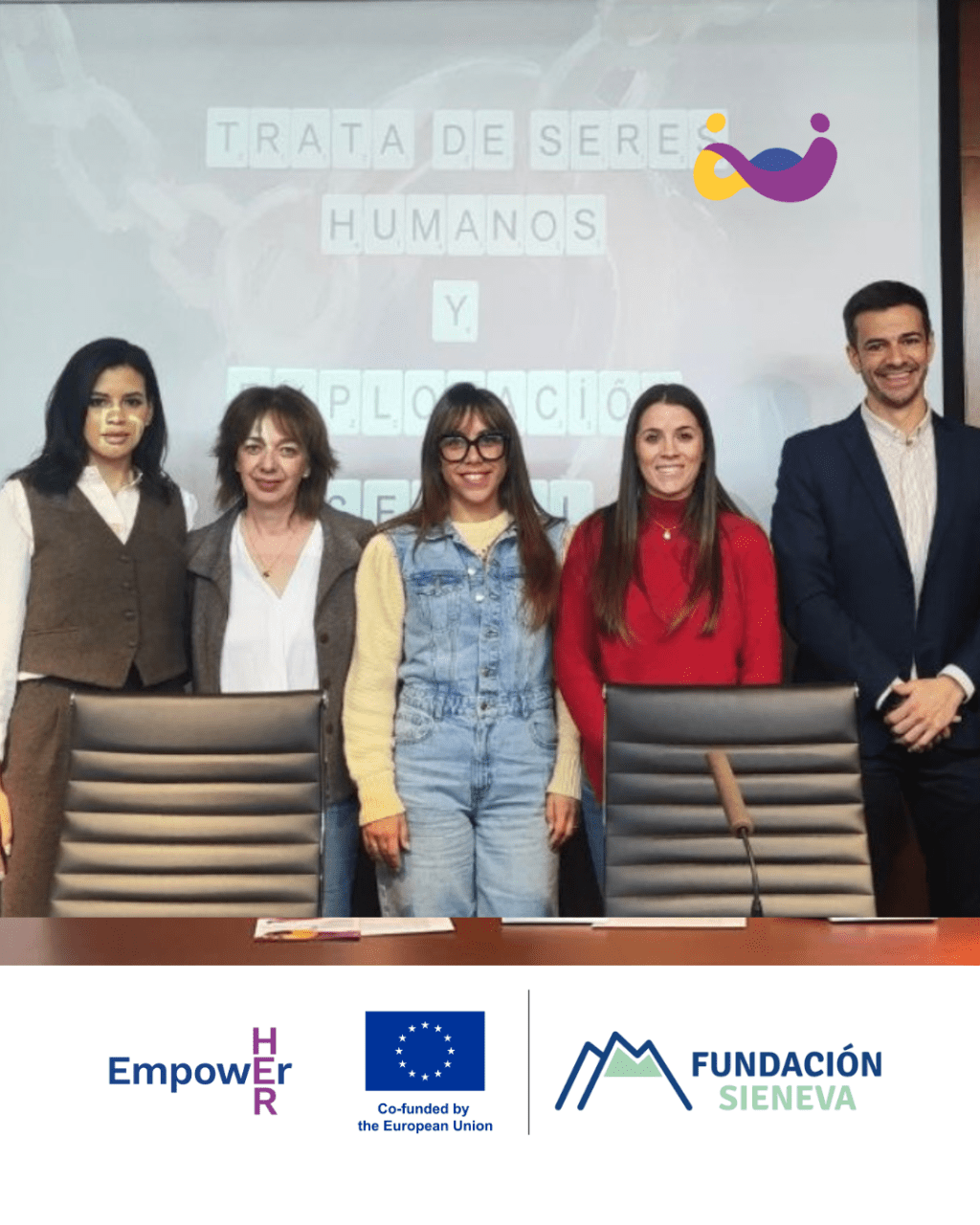
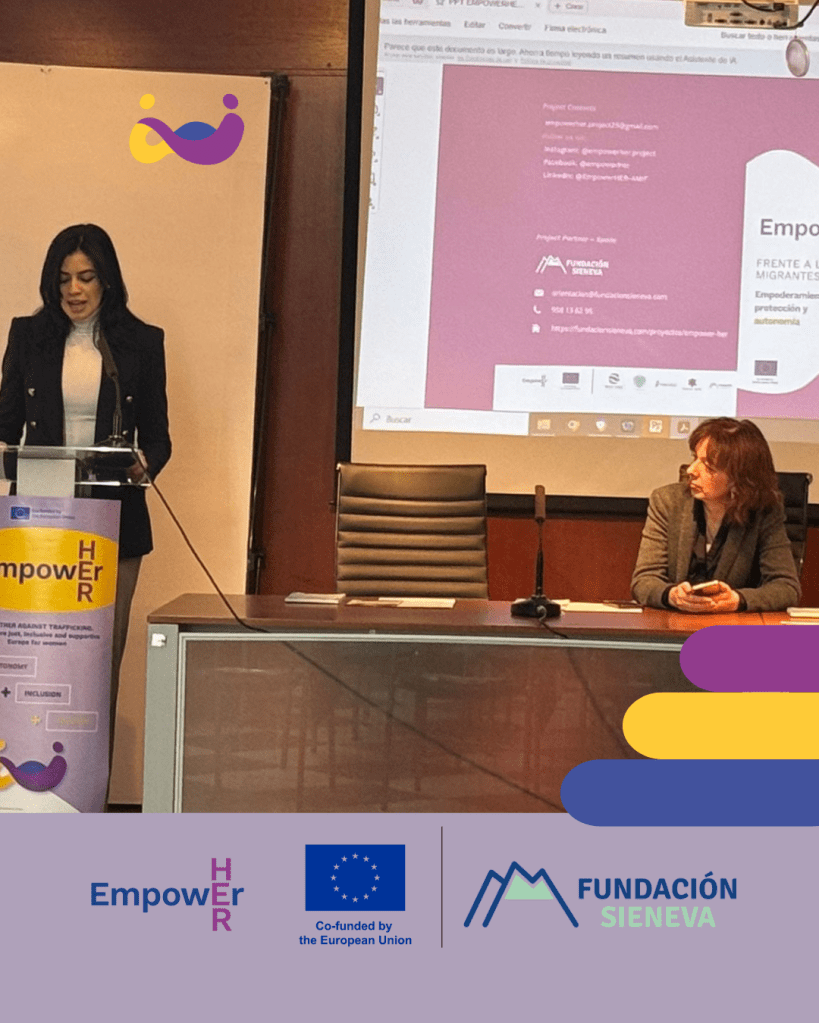
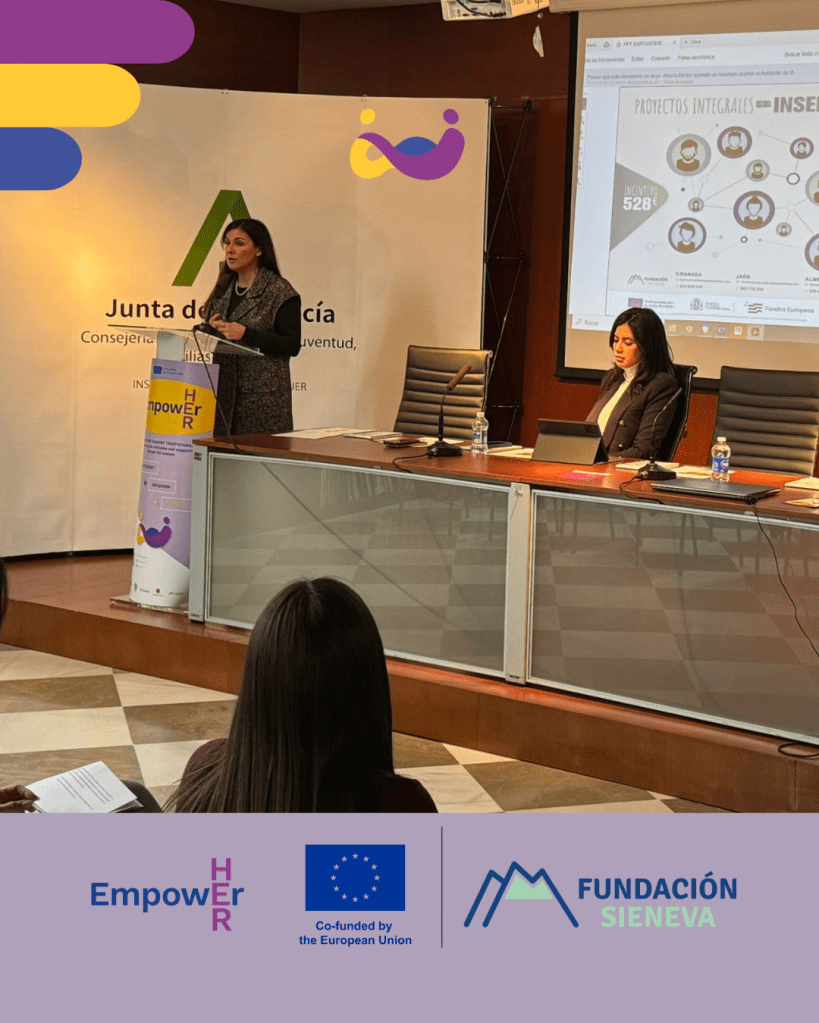
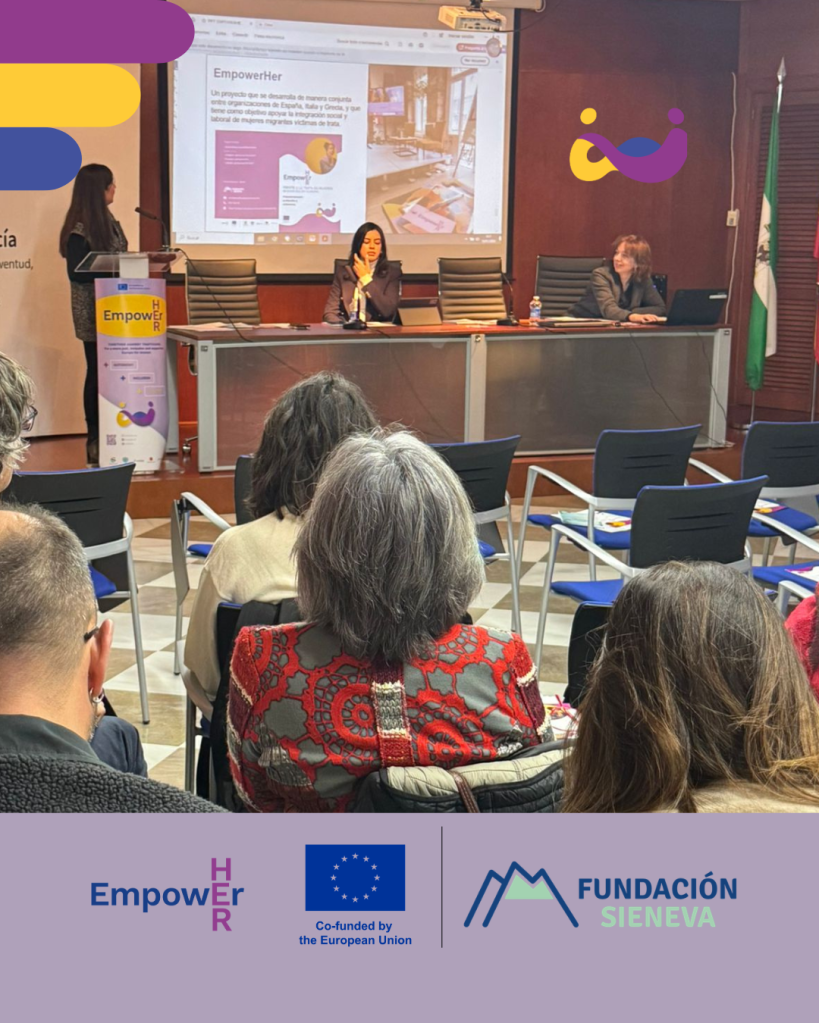
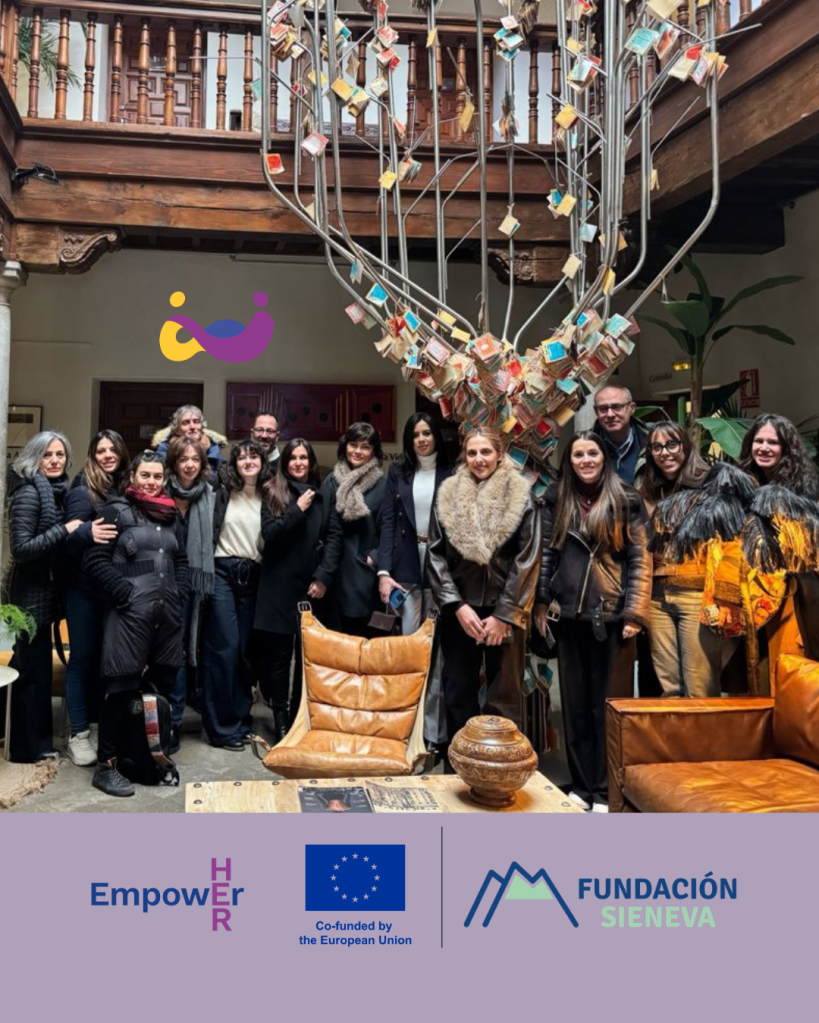
In January 2026, the EmpowerHER partnership gathered in Granada for the third and final national workshop in our European workshop series. Hosted by Fundación Sieneva, the two-day programme brought together professionals from civil society, public institutions, law enforcement and the EmpowerHER partnership to examine the realities of human trafficking in Spain and strengthen coordinated responses for migrant women.
The main sessions took place at the Andalusian Women’s Institute in Granada, with additional activities hosted at Fundación Sieneva’s headquarters. This allowed the partnership to connect institutional and legal perspectives with the experience of organisations working directly with migrant women and victims of trafficking.
Contributions from Local Professionals
The programme included contributions from professionals working across legal assistance, social intervention, gender-based violence, counter-trafficking and law enforcement:
- Estela Gutiérrez López-Piedra, legal professional and social project officer;
- Celia Pontiga Garrote, Regional Coordinator for Trafficking and Gender-Based Violence at Betania;
- Melissa Mann Cano, National Coordinator for Trafficking and Gender-Based Violence at Betania;
- David Pérez Colón, Head of UCRIF within the Spanish National Police in Málaga;
- representatives of Fundación Amaranta, who presented their work with migrant women and victims of trafficking in Granada.
Their contributions connected the institutional and legal framework with the realities encountered by professionals working directly with women.
Day 1 – Understanding Trafficking, Trauma and Victims’ Rights in Spain
The first day focused on understanding trafficking for sexual exploitation within the Spanish context and the factors that make migrant women particularly vulnerable.
The sessions addressed:
- current trends in human trafficking for sexual exploitation in Spain;
- structural and situational vulnerabilities affecting migrant women;
- recruitment through false employment opportunities, emotional manipulation and digital platforms;
- the movement of exploitation from visible public spaces towards private locations and online environments;
- victims’ rights, legal protection and administrative regularisation;
- the psychological consequences of trafficking, including complex trauma;
- trauma-informed and victim-centred approaches to identification and support;
- the role of civil society organisations in early detection, outreach and long-term accompaniment.
One particularly important discussion concerned the increasing invisibility of exploitation. Recruitment and control are increasingly taking place through online platforms and private environments, making identification more difficult and requiring new detection tools and stronger cooperation between actors.
The sessions also highlighted that apparent consent cannot be treated as free consent when women are facing administrative insecurity, economic dependence, previous violence or a lack of safe alternatives.
Another central theme was the psychological impact of trafficking. Professionals discussed complex trauma, anxiety, dissociation, hypervigilance, shame and self-blame, as well as the ways these experiences can affect a woman’s ability to disclose exploitation, seek help or engage with institutions.
The discussion reinforced the importance of specialised and long-term psychological support based on safety, trust and individual choice. It also highlighted the need to avoid institutional retraumatisation through rigid procedures or repeated demands for women to recount their experiences.
Day 2 – Law Enforcement, Local Cooperation and Economic Autonomy
The second day developed the discussion through operational, community-based and labour-integration perspectives.
The programme focused on:
- the role of law enforcement in trafficking investigations;
- the complexity of gathering evidence and dismantling trafficking networks;
- balancing criminal investigations with the protection and safety of victims;
- cooperation between law enforcement, public institutions and specialised civil society organisations;
- local intervention models based on proximity and long-term accompaniment;
- good practices in social and labour integration;
- mentoring, personalised support and sustainable self-employment;
- economic autonomy as a central element of recovery and long-term inclusion.
The contribution from the Spanish National Police offered valuable insight into the complexity and duration of trafficking investigations. It also demonstrated how closely effective police action depends on cooperation with specialised organisations.
Civil society organisations often play a crucial role before, during and after formal police intervention. Their work includes early identification, building trust, supporting safe disclosure, preparing women for engagement with authorities and ensuring continuity of care.
The discussions repeatedly returned to the importance of clear communication, mutual trust and an understanding of the complementary roles played by law enforcement, public institutions and civil society.
Learning from Local Practice
The sessions held at Fundación Sieneva’s headquarters provided an opportunity to examine community-based and proximity-driven intervention models. Representatives of Fundación Amaranta presented their work with migrant women and victims of trafficking in Granada, including:
- early identification and outreach;
- social, legal and psychological assistance;
- safe accommodation;
- long-term individual accompaniment;
- coordination with public authorities and specialised services.
The exchange showed that no single organisation can respond to every stage of the protection and integration process. Effective support depends on organisations understanding their respective roles and creating pathways that women can navigate without repeatedly starting again from the beginning.
From Immediate Protection to Long-Term Autonomy
The Granada workshop also reinforced the importance of looking beyond immediate protection.
Identification, legal assistance and emergency support are essential, but sustainable recovery also requires access to language learning, training, mentoring, employment opportunities and personalised support.
Economic autonomy is closely connected to long-term inclusion and to reducing the vulnerabilities that may expose women to further exploitation.
For EmpowerHER, social and labour integration are therefore not secondary elements of the support process. They are essential parts of helping women rebuild their independence, strengthen their decision-making power and develop sustainable pathways towards the future.
Completing the EmpowerHER Workshop Series
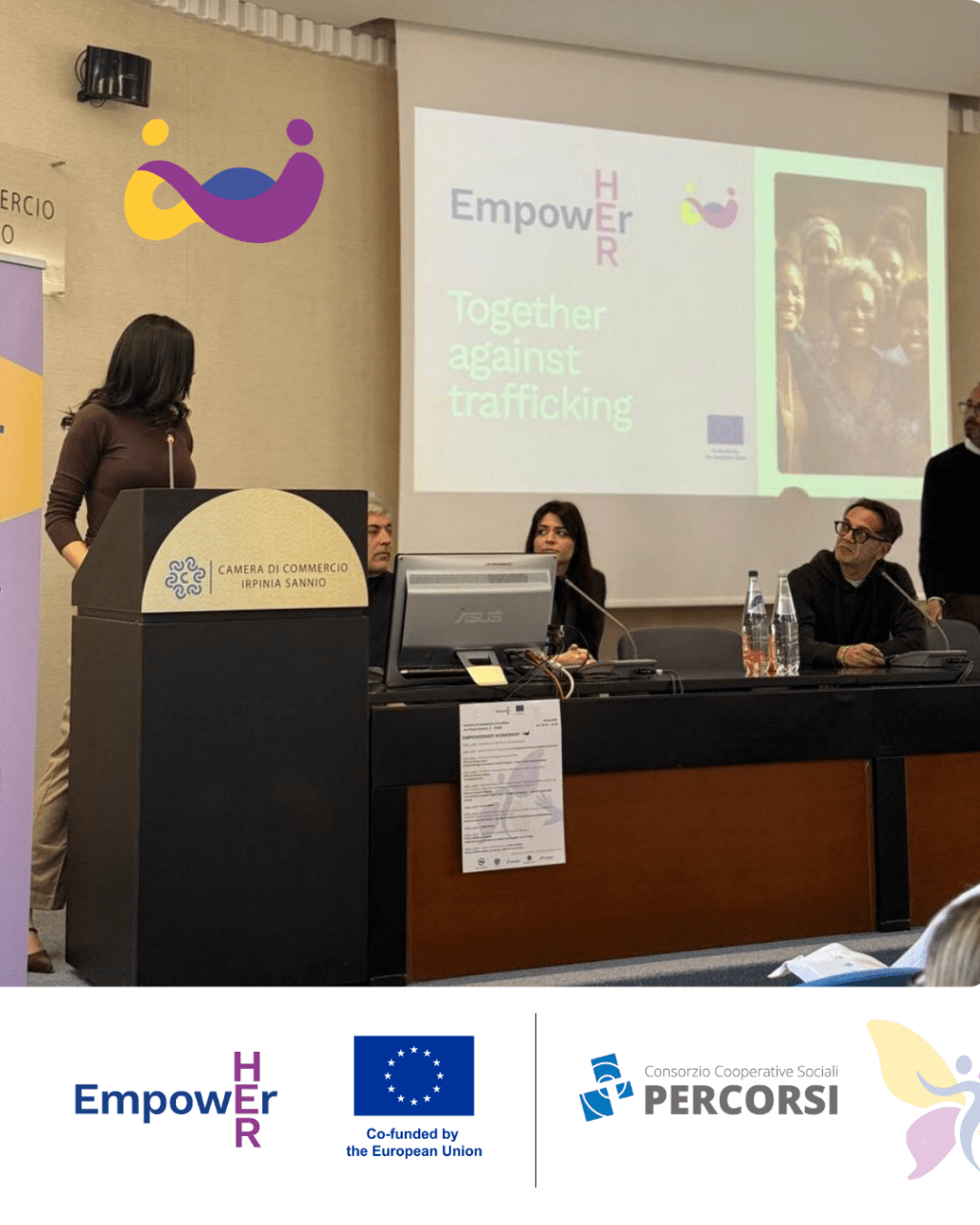
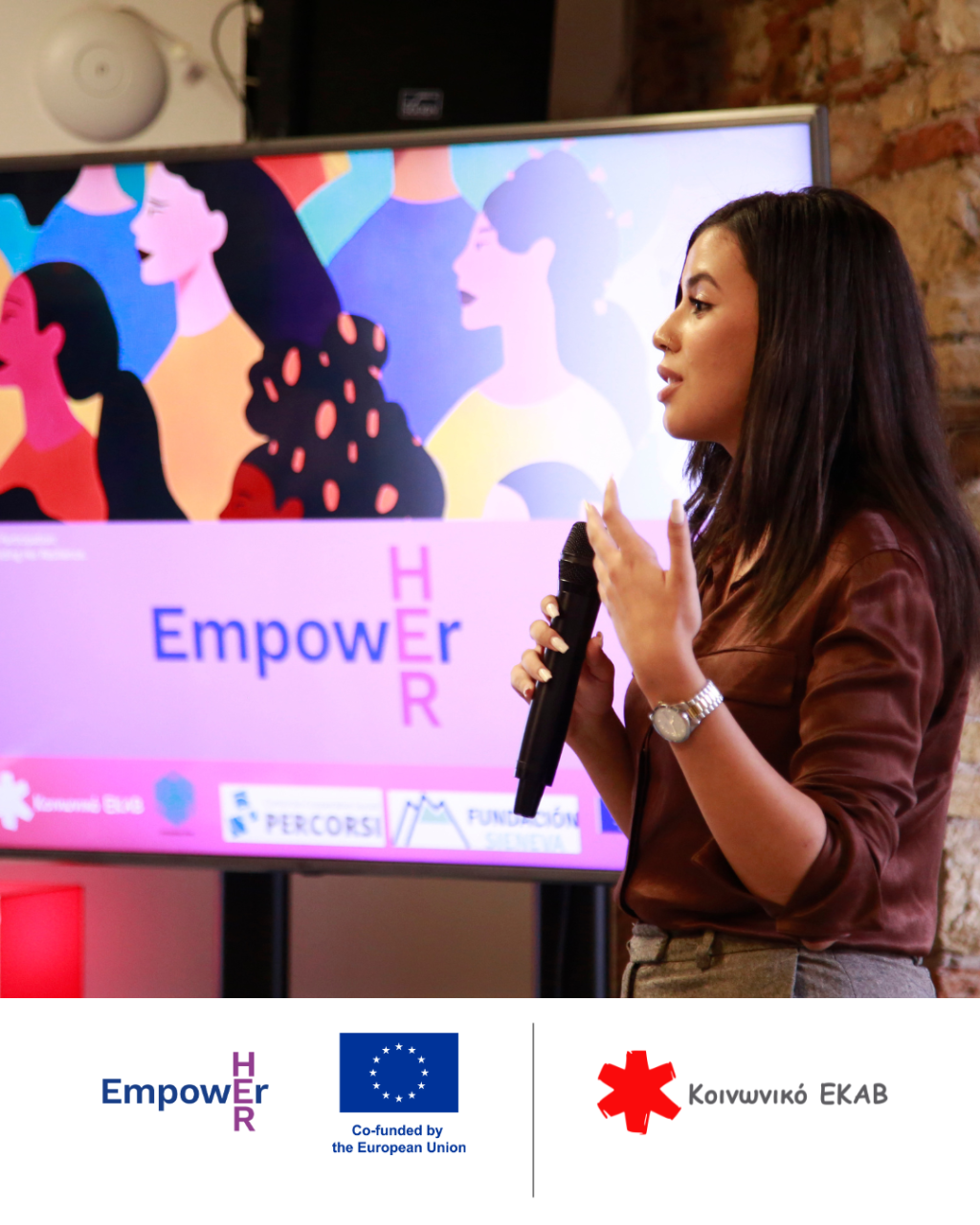
Granada marked the conclusion of the EmpowerHER national workshop series, following the previous workshops held in Athens and Avellino.
Each workshop provided the partnership with a closer understanding of a different national system.
Together, the three workshops allowed us to compare:
- anti-trafficking frameworks and national protection systems;
- victim identification and referral procedures;
- legal and administrative protections;
- trauma-informed approaches;
- cooperation between public institutions and civil society;
- local support networks;
- approaches to social and labour integration.
The purpose was not to identify one model that could simply be transferred from one country to another. Instead, the workshops helped the partnership recognise shared challenges, learn from different national experiences and identify practices that can be adapted to different local contexts.
The knowledge gathered through the workshops will continue to inform the next phases of EmpowerHER, including training, mentoring, local cooperation and employment-support activities.
I would like to thank Fundación Sieneva for organising and hosting the Granada workshop, as well as the Andalusian Women’s Institute, Betania, Fundación Amaranta, the Spanish National Police and all the professionals and project partners who contributed to the exchange.
The workshop provided a meaningful conclusion to the series and a strong foundation for the next stages of our work.
EU Disclaimer
Co-funded by the European Union. Views and opinions expressed are solely those of the author and do not necessarily reflect those of the European Union or the granting authority. Neither the European Union nor the granting authority can be held responsible for them.
Follow our journey and stay updated through our socials: LinkedIn / Instagram / Facebook
Visit our project page: https://www.pja2001.eu/project/empowerher/



Leave a comment